

Flagging churn without a system is theater. You get red bubbles, noisy channels, and debates. Nothing moves. A tiered triage playbook fixes that by turning churn flags into clear priorities, fast routes, and audited follow‑ups. It ties every alert to evidence. So people act, and you can prove it.
Let’s pretend your team has great detection. Sentiment dips. Churn risk spikes. Mentions of cancel or switch show up. Without a tiered triage playbook, all that signal stalls in a queue. It’s usually a Slack scramble, a few managers “looking into it,” and a weekly meeting where nobody’s checking the actual tickets behind the charts. Same thing with NPS drops. Lots of talk, no accountable intervention.
Key Takeaways:
- Build a P0–P2 tiered triage playbook that maps objective signals to clear SLAs and owners
- Route by value and risk, not round robin, to cut time‑to‑intervention under 24 hours
- Use validated outreach templates and escalation scripts tied to ticket evidence
- Track time‑to‑intervention, intervention‑to‑retention lift, and false‑positive rate
- Run a weekly audit of sample interventions to keep the system honest and traceable
- Start with 100% coverage detection to avoid blind spots and sampling bias
Polarizing Insight
Alerts do not save accounts, audited interventions do. The fastest path to retention lift is a tiered triage playbook that links objective churn signals to prioritized routing, SLAs, and evidence‑backed follow‑ups. When every step is traceable to tickets and quotes, action replaces debate.
Alert Fatigue Is a Process Problem, Not a Volume Problem
Most teams assume fewer alerts will fix fatigue. The real problem is no shared rule for what gets handled first, by whom, and by when. Without a tiered triage playbook, even a small alert stream feels chaotic. People guess. Ownership blurs. Deadlines slip. You pay for that guesswork in lost accounts and burned goodwill.
Leaders try to tune thresholds or pause alerts. That hides risk. It doesn’t reduce it. A simple P0–P2 model with clear SLAs changes the energy. P0 is never a suggestion. It is a clock. And clocks focus teams.
Common failure modes:
- “Who owns this?” ping‑pong for hours
- Round robin sends P0 to the wrong inbox
- Meetings replace rules; nothing ships
- Threshold tweaks hide issues instead of fixing routing
Evidence Beats Anecdotes in the Room
Executives want proof before they trade roadmap time for rescue work. Anecdotes won’t cut it. Evidence will. Every claim should link to tickets and quotes, so nobody argues about whether the issue is real. You move faster when the “why” is visible and auditable.
A tiered triage playbook bakes that proof in. Each intervention starts with the ticket context, not a guess. You defend time, and you earn trust.
Reframe
The problem isn’t detection. It’s the missing bridge from signal to action. A tiered triage playbook provides that bridge by translating flags into tiered priorities, routing rules, SLAs, and scripts, all traceable to the exact conversations that triggered them.
From Scores to Drivers and Proof
Scores point to “what.” Drivers and quotes reveal “why.” Teams get stuck when they stare at negative sentiment without the underlying driver or the line that shows a customer is actively considering churn. A workable playbook requires drivers and traceable quotes right next to the score. Then the next step is obvious.
You don’t fix “negative.” You fix billing confusion for enterprise renewals this quarter. That difference is the whole game.
Driver context to include next to the score:
- Top driver(s) and sub‑driver (e.g., “Billing → Invoice mismatch”)
- Exact quote or transcript line that signals risk
- Account value and renewal date
- Last touch and effort score
From Triage Meetings to Rules
Standing triage meetings feel responsible. They are slow. Replace meeting‑first habits with simple rules: if P0, route to named owner within 30 minutes, use template A, escalate if no reply in two hours. Rules turn intention into muscle memory. You don’t need more eyes. You need fewer handoffs.
Rational Drowning
Slow, manual triage is expensive. Each churn‑flagged conversation that waits 48 hours loses momentum and trust, and can swing renewal odds by double digits. Teams usually spend five to eight hours a week on ad‑hoc triage threads that produce inconsistent outcomes and no audit trail.
The Real Cost of Slow Intervention
Every extra day before first outreach increases the chance a buyer shops alternatives. Contracts slip. Revenue risk compounds. Agents feel stuck when they can’t see who owns what or which message to send. Leaders face end‑of‑month surprises because nobody tied flags to accountable actions.
Research on CX shows that faster resolution and lower effort correlate with retention improvements, especially for high‑value segments, and that’s not new. See the pattern in Gartner’s customer experience insights. You don’t need a novel theory. You need a faster path to first touch and a way to prove it happened.
False Positives, Missed Risks, And Rework
Over‑broad flags waste time. Under‑broad flags miss risk. Both problems multiply without 100% coverage and transparent criteria. Teams ping product for anecdotes, product pushes back, and the cycle repeats. You lose days while the account cools.
Scores alone won’t save you. Net Promoter is fine for trend lines, but it is not a triage rulebook. Even Bain’s own framing focuses on improvement loops, not live rescue. Context belongs in the rulebook, not in a footnote. For background, see the Net Promoter System overview.
Emotion
You know the feeling. Pager pings. A red list lands in Slack at 6 pm. No owner named. No clear next step. Everyone’s weighing in, nobody’s accountable, and the customer waits. That’s stress you wear home.
The 11 PM Escalation
You’re rewriting an email from scratch because the tone is tricky and the stakes are high. You copy a line from an old thread. You hope legal is fine with it. Honestly, it’s guesswork. A playbook kills that guesswork. The right template, the right evidence, the right owner. You hit send with confidence.
The Leadership Review Slide
Quarterly review is tomorrow. You need to explain a churn spike. The slide shows red bars and a few quotes. You can feel the room’s skepticism. Without traceability to tickets and a tiered plan, you’re asking for belief. With it, you’re presenting a path, plus receipts.
The Agent Perspective
Agents want to help. They hate gray zones. Clear tiers and scripts remove the gray. Less back‑and‑forth. Fewer “any update?” pings. More wins they can point to. That morale gain shows up in every metric that matters.
New Way
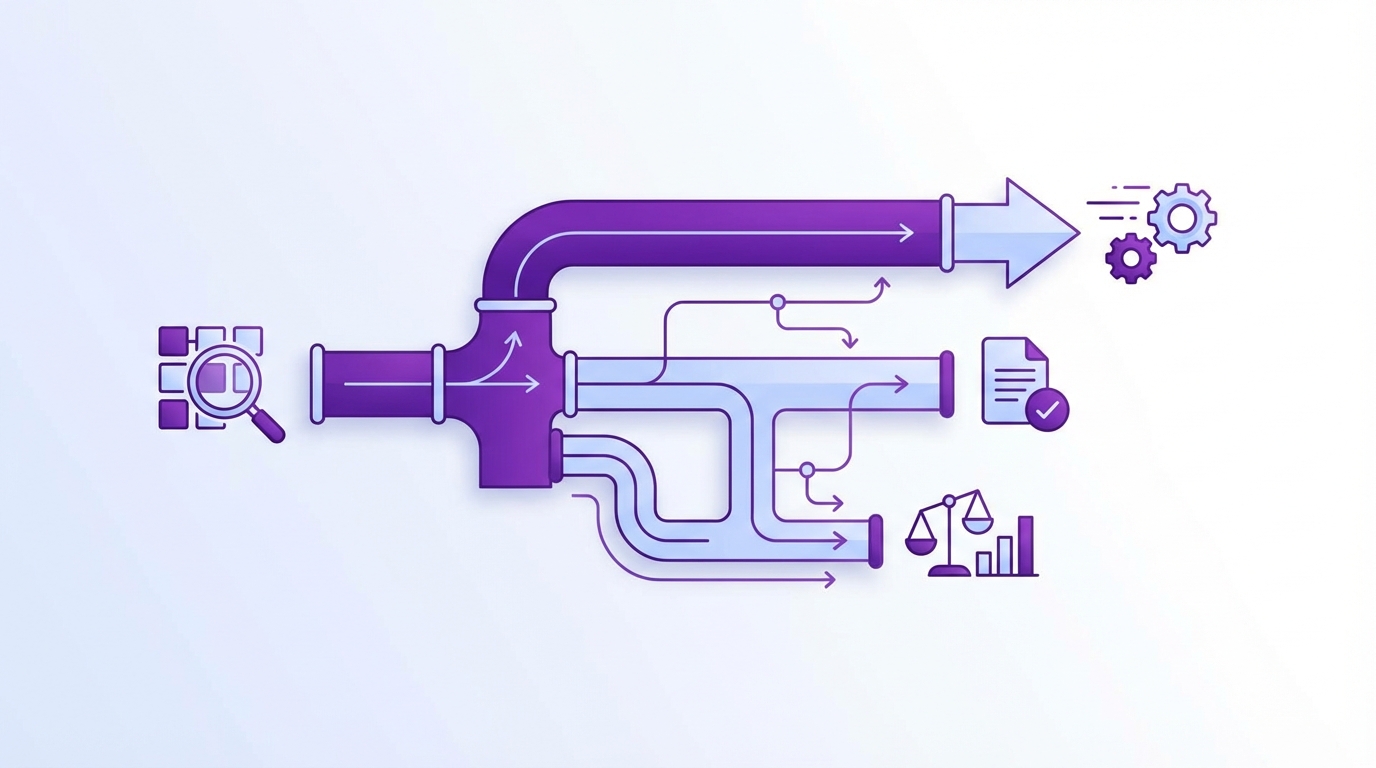
A tiered triage playbook turns churn detection into fast, audited action using simple tiers, routing rules, response templates, and measurement. Start with objective criteria, route by value and risk, enforce SLAs, use validated scripts with ticket evidence, then measure time‑to‑intervention and retention lift.
Define Tiers With Objective Criteria
Tiering fails when it’s subjective. Tie P0, P1, and P2 to clear signals you can defend. Use driver combinations, explicit churn mentions, account value, contract stage, and effort levels you trust. Keep the rules simple enough for anyone to apply in under a minute.
Example criteria to start (adapt to your context):
- P0 (Immediate): explicit churn/cancel mention + high value or renewal <60 days; severe outage or billing blocker with exec contact; effort score in top decile
- P1 (Priority): implicit churn signals (evaluating alternatives) or driver severity high; renewal this quarter; multi‑ticket thread on same blocker
- P2 (Watch/Standard): negative trend without churn signal; low value or far from renewal; informational or low‑effort issues
Write the schema, then test it on last month’s flagged tickets. If you’d still pick the same priorities, you’re close. If not, tighten criteria until two different reviewers reach the same tier.
To lock the schema:
- List your objective signals and thresholds by tier.
- Add account value and lifecycle modifiers.
- Define SLA clocks for first touch and resolution.
- Name owners for each tier and region.
- Publish the rulebook where work happens.
Route by Value and Risk, Not Round Robin
Round robin treats every flag the same. That’s wrong. Your playbook should send P0 to the fastest capable path, not the next open inbox. Add value and contract stage to your routing logic. High‑value renewals get your top path. Lower tiers can sit in standard queues with guardrails.
When routing aligns to value and risk, first‑touch time drops, and quality goes up. You also reduce noisy escalations because ownership is obvious.
Consider these routing rules:
- P0: Named owner within 30 minutes, manager CC’d for air cover
- P1: Named queue within two hours, monitored by on‑call lead
- P2: Standard queue with 24‑hour SLA, no manager CC
- Any tier for top 10 accounts: executive sponsor notified
Codify Response Playbooks and Escalation
Outreach quality decides outcomes. Templates that cite the exact ticket context raise response rates and lower friction. Your tiered triage playbook should include first‑touch scripts, follow‑ups, and when to bring in product or billing.
Keep them short, human, and specific to the driver. You’re not sending a wall of text. You’re showing you listened, you know the issue, and you own the next step.
Suggested cadence:
- First touch within the SLA, includes the relevant quote and driver.
- Follow‑up within 24 hours if no reply, mirror the customer’s language.
- Escalate with a named path if outcome stalls, include a succinct summary.
Example P0 opener (adapt as needed):
- “Sharing back what I saw in your note: ‘We may cancel if billing isn’t fixed this week.’ I own resolution. Here’s the next step and timeline…”
Measure and Iterate Like Ops
If you don’t measure, you won’t improve. Track time‑to‑intervention by tier, intervention‑to‑retention lift by segment, and false‑positive rate. Review weekly. Adjust criteria and templates monthly. Keep an audit thread that links outcomes to the exact tickets involved.
After you lock your first version, set targets:
- Median time‑to‑intervention under 24 hours for P1 and below
- 10–30% retention uplift on actively handled flagged accounts within 90 days
- False‑positive rate below 15% after two iterations
Operational guardrails:
- No P0 can age without an owner and a timestamped first touch
- Every intervention links to the triggering ticket and quote
- Weekly sample audit: 10–20 cases across tiers, score against the rulebook
Ready to cut time‑to‑intervention under 24 hours with a real tiered system? See how Revelir AI works
Solution
Revelir makes the tiered triage playbook practical by giving you full‑coverage detection, drivers and hybrid tags, AI metrics for churn risk and effort, and an audit trail that links every metric to tickets and quotes. You move from flags to prioritized action without new helpdesk workflows.

Full‑Coverage Detection Without Sampling
Revelir processes 100% of ingested tickets, so you don’t miss quiet but costly patterns. The AI Metrics Engine computes sentiment, churn risk, effort, and outcomes as structured fields. Hybrid tagging creates raw tags for granularity and canonical tags you trust for reporting.
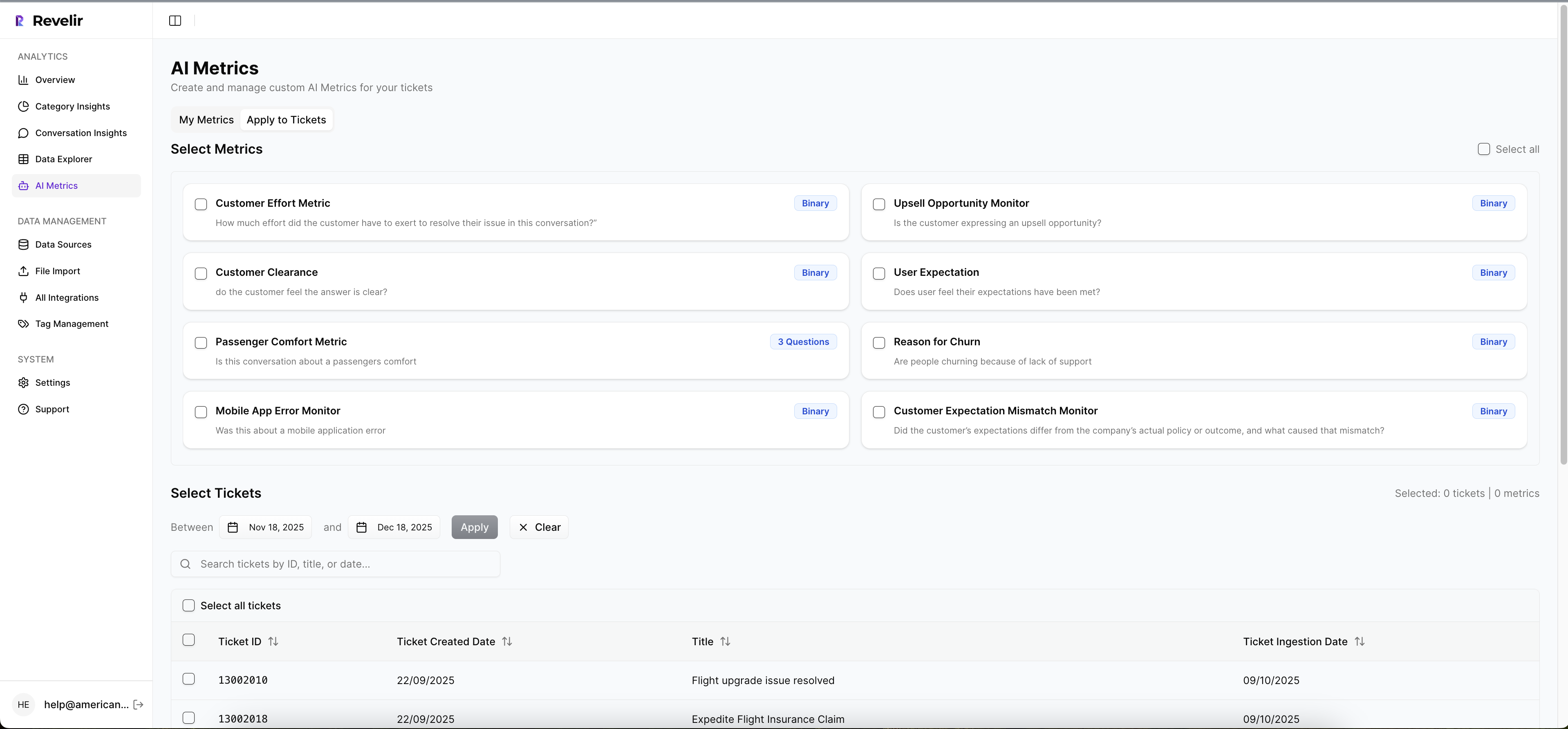
Routing rules get smarter when coverage is complete. You stop arguing about representativeness and start deciding what to fix first. That alone shrinks time‑to‑intervention.
Evidence‑Backed Traceability for Fast Audits
Every chart in Revelir links to the source conversations and quotes. Conversation Insights puts the transcript, the summary, the tags, and the metrics on one screen. When a P0 intervention is questioned, you click through and show the exact line that triggered the flag. Debate ends. Action continues.
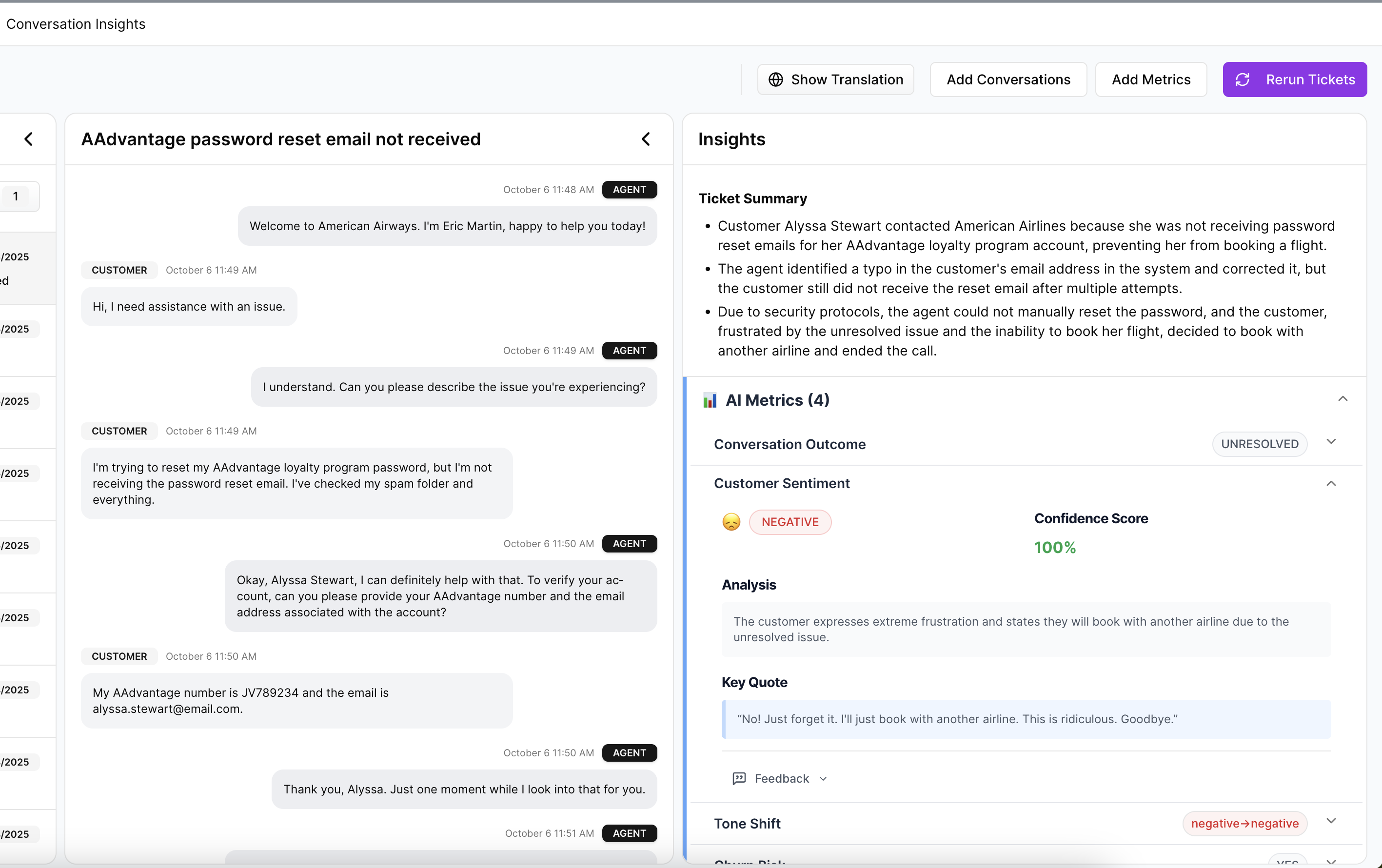
That traceability builds cross‑functional trust. Product asks “why,” you show drivers and quotes. Finance asks “worth it,” you show lift by segment. The room stops guessing.
From Detection to Decisions in Data Explorer
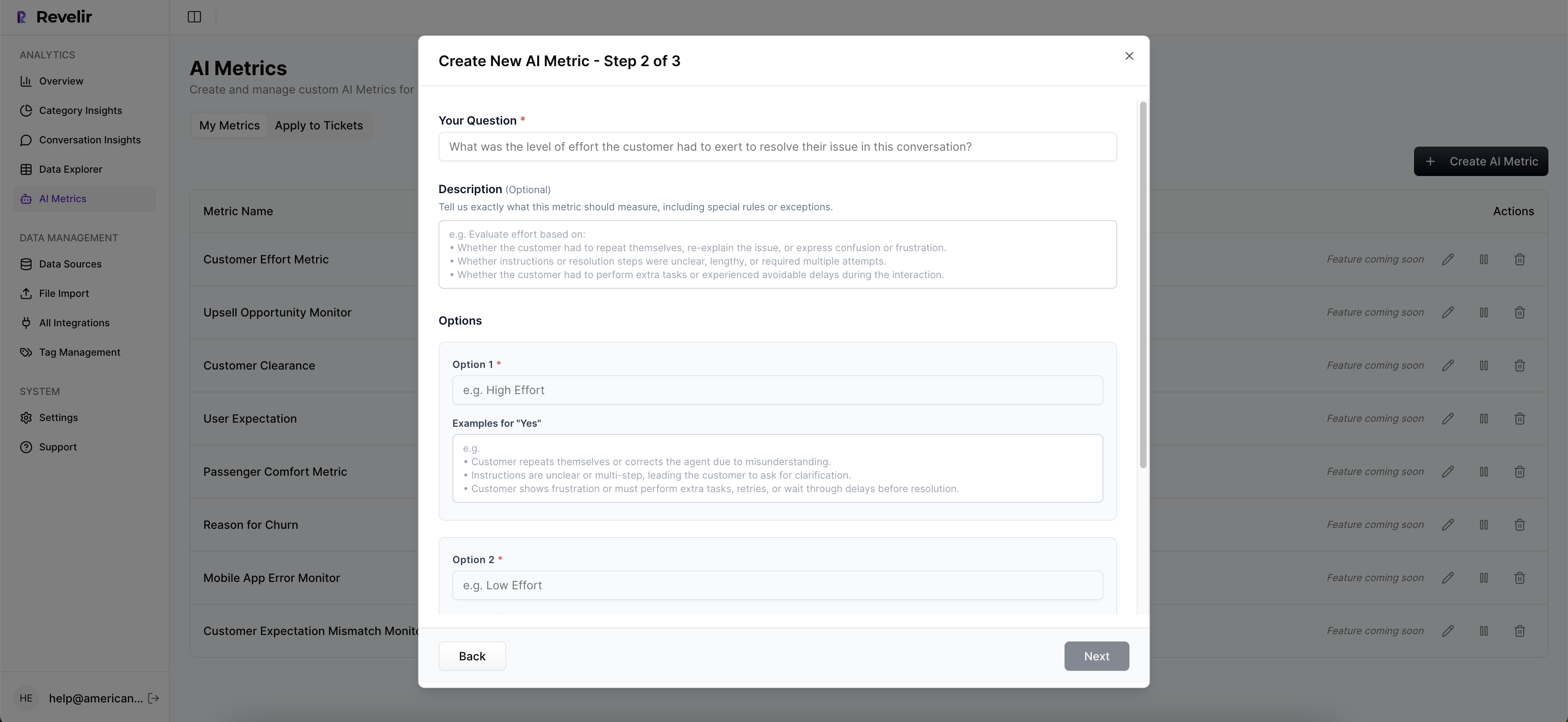
Data Explorer is the pivot‑table‑like workspace where you group by driver, filter by churn risk, and drill into the right tickets in seconds. Analyze Data summarizes metrics by driver or tag so you can see where effort is high or which issues correlate with churn risk. Custom AI Metrics let you encode your own business signals, like “renewal at risk” or “billing blocker,” in plain language your teams use.
Once the playbook is defined, Revelir helps operationalize it:
- Data Explorer: slice by driver, tier candidates, and segment in one view
- Analyze Data: spot which drivers push effort or churn risk higher
- Conversation Insights: pull the exact quotes into outreach templates
- Custom AI Metrics: encode your objectives, then route by them
- Zendesk or CSV: connect directly or upload exports to start fast
Teams that struggled with slow, manual triage use Revelir to cut first‑touch times significantly. If rational drowning showed five to eight hours a week wasted in ad‑hoc triage, Revelir turns that into a two‑minute filter and a clear queue, which drops the median time‑to‑intervention below a day in practice.
Quick start in under an hour:
- Connect Zendesk or upload a CSV export
- Enable default AI metrics (sentiment, churn risk, effort)
- Define one Custom AI Metric (e.g., “renewal at risk”)
- Build a P0–P2 view, route P0 to a named owner, and ship
Looking for measurable lift from your triage work, not more dashboards? Learn More
Conclusion
A tiered triage playbook turns churn flags into a defendable, fast rescue system. Objective tiers. Clear routing. Enforced SLAs. Evidence‑tied outreach. Regular measurement. Build it once, then tune it weekly. Start with 100% coverage and traceability so nobody questions the inputs.
You’ll feel the shift. Less noise. Faster first touches. Fewer end‑of‑month surprises. Do the simple things well, and the compounding effect shows up in retention. When the goal is under 24 hours to first intervention and a 10–30% uplift on handled accounts, the rulebook is worth it. Revelir is the layer that makes it stick, with coverage, drivers, metrics, and receipts.
Want the playbook, plus the evidence to defend it in every meeting? Get started with Revelir AI (Webflow)
Frequently Asked Questions
How do I set up a tiered triage playbook with Revelir AI?
To set up a tiered triage playbook using Revelir AI, start by defining your tiers based on objective criteria. For instance, categorize tickets as P0 for immediate action, P1 for priority, and P2 for standard issues. Next, use the Data Explorer feature to filter and analyze your tickets, ensuring you have a clear view of the metrics like churn risk and sentiment. Finally, publish your rulebook where your team can easily access it, ensuring everyone understands the routing and SLAs.
What if my team struggles with alert fatigue?
If your team is facing alert fatigue, consider implementing a tiered triage playbook with clear routing rules. Use Revelir's capabilities to categorize alerts by value and risk instead of a round-robin approach. This way, high-priority alerts get immediate attention while others can be handled in standard queues. Regular audits of your intervention processes can also help identify and reduce unnecessary alerts, focusing your team's efforts on what truly matters.
Can I track the effectiveness of interventions in Revelir AI?
Yes, you can track the effectiveness of your interventions using Revelir AI. By measuring time-to-intervention and retention lift, you can assess how well your team is responding to churn signals. Utilize the Analyze Data feature to summarize metrics and see how different drivers affect customer retention. Regularly review these metrics to refine your approach and improve outcomes over time.
When should I escalate a ticket in the triage process?
You should escalate a ticket when it falls under the P0 category, which typically indicates an immediate churn risk or a critical issue that requires urgent attention. Use the templates and escalation scripts provided in your tiered triage playbook to ensure a consistent approach. If there’s no response within the specified SLA, escalate the ticket to ensure it gets the attention it needs to prevent customer churn.
Why does my team need evidence-backed interventions?
Evidence-backed interventions are crucial because they provide a clear basis for actions taken in response to churn signals. Using Revelir AI, you can link every intervention to specific tickets and quotes, which helps eliminate guesswork. This traceability builds trust within your team and with stakeholders, ensuring that decisions are based on solid data rather than anecdotal evidence.