

Churn-risk alerts feel productive. They aren’t, unless they trigger actions on a clock. What saves renewals isn’t more signals; it’s a tight, traceable motion that moves from risk → owner → time-bound outreach → documented outcome. You need evidence at every step so the room stops debating examples and starts enforcing SLAs.
We’ve implemented a lot of “churn programs” that quietly collapsed under vague ownership and slow first touches. The pattern is predictable: flags with no queue, outreach with no script, activity with no audit. The fix is simple, not easy. Build an operational contract around interventions, and make sure every metric ties to the exact conversation that triggered it.
Key Takeaways:
- Detection without SLAs creates false confidence; define time-to-first-touch by tier and enforce it
- The real bottleneck is orchestration, routing, timers, ownership, and audit, not model accuracy
- Delay compounds: slower first touches drive escalations, burnout, and higher churn
- Track MTTI, first-touch within SLA, recovery rate by driver, and renewal lift vs. control
- Close the loop with traceability from ticket to offer to outcome so you can coach and fund what works
- Use evidence-backed metrics from 100% of conversations to prioritize and defend decisions
Ready to skip theory and see the workflow? See How Revelir AI Works.
Signals Without SLAs Do Not Save Renewals
Signals don’t save renewals, enforced response rules do. A churn-risk flag must kick off a named owner, a task, and a timer that doesn’t stop until the customer hears from you. Tie each action to the exact ticket and quote so you can verify the why, not just log the what.

Why flagging risk without enforced response fails
Risk flags feel like progress because they create visibility. Visibility without a response contract invites drift. It’s usually the same story: the alert lands in a generic queue, nobody’s on the hook, and first touch slips to “when we get to it.” Meanwhile, the renewal window narrows and the customer patience evaporates.
The operational contract is specific: for a high-risk event, who owns the outreach, what script do they use, and what’s the time-to-first-touch target? Write it down. Then measure the breach rate weekly. When you connect every intervention to the exact ticket and driver, you can verify completion and coach on quality. That’s how detection becomes outcomes.
Evidence beats dashboards
Dashboards summarize; evidence convinces. Leaders trust a pattern when they can click from a chart into the three conversations that make it real. That’s the culture shift that turns “we saw churn risk spike” into “we intervened within 60 minutes on these 27 accounts, using this play, and here are the replies.”
This isn’t about screenshots in a deck. It’s about traceability by design: metric → segment → transcript. When that chain is intact, you stop arguing about representativeness and start enforcing SLAs with confidence. Research on churn analysis underscores the point: actionable interventions rely on features tied to observed behavior, not abstract scores alone, as shown in Enhancing Customer Churn Analysis.
The Real Bottleneck Is Orchestration, Not Detection
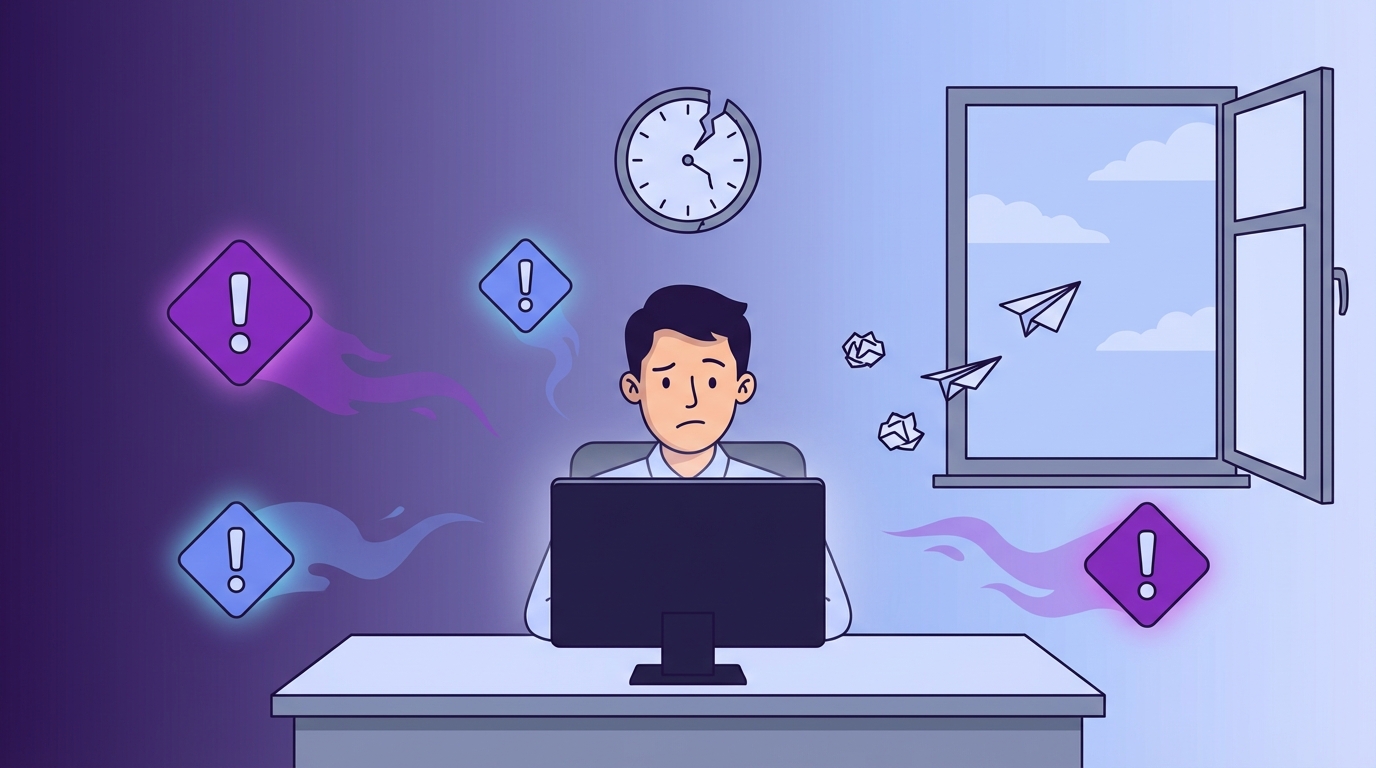
Detection accuracy matters, but orchestration determines outcomes. If your mean time-to-intervention is measured in days, a better model won’t save the quarter. Build routing, triage tiers, timers, and auditability so risk becomes touch, not a number that ages in a queue.
What traditional approaches miss
Most teams over-fund the model and under-fund the motion. You get a beautiful risk score, but no standard operating procedure behind it. The missing layer is mundane on purpose: intake rules, ownership assignment, fallback queues, escalation conditions, and a breach log that gets reviewed without fail. Boring wins here.
It’s tempting to chase a five‑point improvement in precision. Here’s the uncomfortable truth: a reliable 72-hour save motion with clean handoffs will outperform a marginally better predictor feeding a fuzzy process. Focus on MTTI, first-touch within SLA, and the quality of the first reply. Once the motion is reliable, tune the model to feed it smarter.
Close the loop with traceability
Orchestration works when you can trace the chain from conversation to tag to task to outreach to renewal result. That trace is your operating system and your audit trail. With it, you can coach scripts, retire weak plays, and defend budget because the evidence is visible, not implied.
Academic work on intervention pipelines reaches similar conclusions: end-to-end traceability reduces bias and improves corrective action, especially when alerts trigger triaged workflows with defined response windows. See the operational implications discussed in the World Journal of Advanced Research and Reviews 2025 analysis.
The Hidden Costs of Slow or Inconsistent Interventions
Delay is expensive. If first touch slips from hours to days, recovery rates drop and escalations rise. Those escalations inflate backlog and burnout, which degrade quality and sentiment. That loop is predictable, and avoidable, when you measure MTTI and enforce SLAs across risk tiers.
The compounding cost of delay
Let’s pretend you average 60 high-risk tickets per week. With a two-hour first touch, maybe 35% of those accounts re‑engage positively. Push first touch to 24 hours and you watch recovery slide into the low 20s. That delta is the difference between a stable renewal line and a panicked end-of-quarter scramble.
Delays amplify effort. A late reach-out arrives after the customer has told their story three times, gotten contradictory answers, and escalated to a manager. It’s not just lower win rates; it’s higher offer costs to make them whole. Studies repeatedly show that timeliness and contextual responses correlate with retention lifts; see the methodological review in Enhancing Customer Churn Analysis for how response features drive outcomes in practice.
The backlog and burnout spiral
When risk flags lack triage rules, the team firefights. Analysts sample conversations. Managers chase exports. Agents context-switch across inboxes to figure out who should own what. That chaos is the hidden cost, hours lost, quality down, morale shaky. It shows up as rework, missed follow-ups, and leadership losing faith in the numbers.
A structured process flips the script. Route by driver and segment. Give the owner a script, the ticket, and the context in the task payload. Measure time-to-first-touch and log breach causes, not blame. When agents have evidence at their fingertips, they don’t re-interrogate the customer. They resolve.
Which KPIs suffer first, and how should you measure them?
The first to wobble is mean time-to-intervention. Next, your “first-touch within SLA” percentage drops. Then recovery rate by risk tier declines, offer cost per save creeps up, and renewal lift versus control stalls. None of this is random, each metric reflects a step in the motion that needs reinforcement.
Set up weekly visibility. Track MTTI, breach count by driver, recovery rates, and incremental renewal lift, segmented by play and offer. Tie every intervention to the originating ticket and quote so you can inspect what worked and coach with specifics. If you need a primer on how systematic measurement influences retention, the Taylor & Francis review of churn methodologies is a solid overview.
When Risk Flags Go Nowhere, People Feel It
Customers feel silence. Teams feel drift. A late renewal call lands after the decision is made, and the internal post‑mortem devolves into guesswork. The fix isn’t another chart, it’s a clock, an owner, and an evidence‑backed script that arrives while you still have leverage.
The renewal conversation that arrives too late
You finally get the account on the phone. They’ve already sourced an alternative. They cite three issues that sat in your queue last month. You had the signals; you just didn’t act in time. That moment doesn’t just cost revenue, it dents trust across CX and product because the “why” was visible and no one moved.
A disciplined SLA would have changed the arc. A high‑risk flag tied to an owner and a 60‑minute touch, with context pulled straight from the ticket, gives you a shot. Even if they’re still frustrated, you’re early enough to show you’re accountable and specific. Timeliness and personalization are the basics that buy you goodwill; see themes echoed in peer‑reviewed churn research.
When your highest-value segment hits a known failure mode
Picture payment failures spiking on Enterprise plans. No routing rules. No task template. Finance gets dragged in, agents improvise, and customers repeat themselves. Frustrating rework. The result isn’t just churn risk; it’s strained relationships across teams who now doubt the data and the motion.
If those tickets were tagged, triaged, and routed with driver context and a vetted script, first touch would be targeted and fast. You’d see who owned what, which offer was used, and whether it worked. That’s the difference between “we tried” and “we executed.”
Still dealing with slow first touches and manual triage? Make the motion visible and provable. Learn More.
Operationalizing 72-Hour Retention Interventions
A 72-hour save motion starts with tiers, timers, and owners, then adds routing, eligibility rules, and audit. Instrument every step so you can test plays and retire what doesn’t move the renewal line. Keep the chain from ticket to outcome intact.
Define intervention SLAs and prioritization
Start by codifying severity tiers, owners, and time-to-first-touch targets. High risk within 60 minutes, medium within four hours, low within 24 hours is a simple baseline. Align tiers to risk drivers so urgency matches impact, an account access outage is not a generic billing question. Make after-hours coverage explicit so ownership doesn’t evaporate at 6 p.m.
Document breach handling. If an SLA is missed, auto‑escalate to a lead, log the cause (coverage gap, routing error, capacity), and review it in the weekly ops sync. The goal isn’t blame; it’s pattern detection. Over a month, you’ll see where the motion breaks and exactly how to fix it.
Build the routing and automation backbone
Design a straightforward flow. A risk signal enters a queue, creates a CRM task with the right template, routes to a CSM or agent based on tier and region, and falls back to a shared queue if unacknowledged. Add idempotency so duplicate alerts don’t generate task storms. Backstop with failover rules during spikes.
Put context in the payload. Include the ticket ID, driver, segment, and a short summary so recipients don’t hunt for clues. That single step slashes context-switch time and improves the quality of the first reply. When owners can see the exact quote that triggered the flag, they get to the point faster and with less risk of getting it wrong.
Instrument experiments and close the loop
Log each intervention with causal tags: who did what, when, why, and what offer (if any) was extended. Maintain control cohorts where practical, yes, it’s hard, and yes, it’s worth it. Track mean time-to-intervention, recovery rate by driver and tier, incremental renewal lift, and offer cost per save. Review weekly and deprecate plays that don’t pay off.
Codify offers and eligibility rules. Eligibility should reference plan, tenure, driver, and prior concessions to keep spend disciplined. Make incentives A/B testable so you don’t mistake generosity for strategy. Evidence-backed loops like these are consistent with findings from the International Journal of Scientific and Advanced Technology analysis that emphasize measurable, targeted interventions over blanket discounts.
How Revelir AI Powers the 72-Hour Playbook
Revelir AI turns support conversations into evidence-backed metrics you can act on in hours, not weeks. It processes 100% of tickets, flags churn risk, and organizes raw tags into canonical categories and drivers with traceability back to the exact quote. Then it gives you the workspace to prioritize, route, and review with confidence.
Full-coverage churn risk and drivers with evidence
Revelir AI analyzes every conversation, not a sample, and assigns metrics like Sentiment, Churn Risk, and Customer Effort to each ticket. Granular raw tags roll up into canonical tags and drivers, so you can see where risk concentrates without drowning in noise. The key is traceability: every aggregate links back to transcripts and quotes.
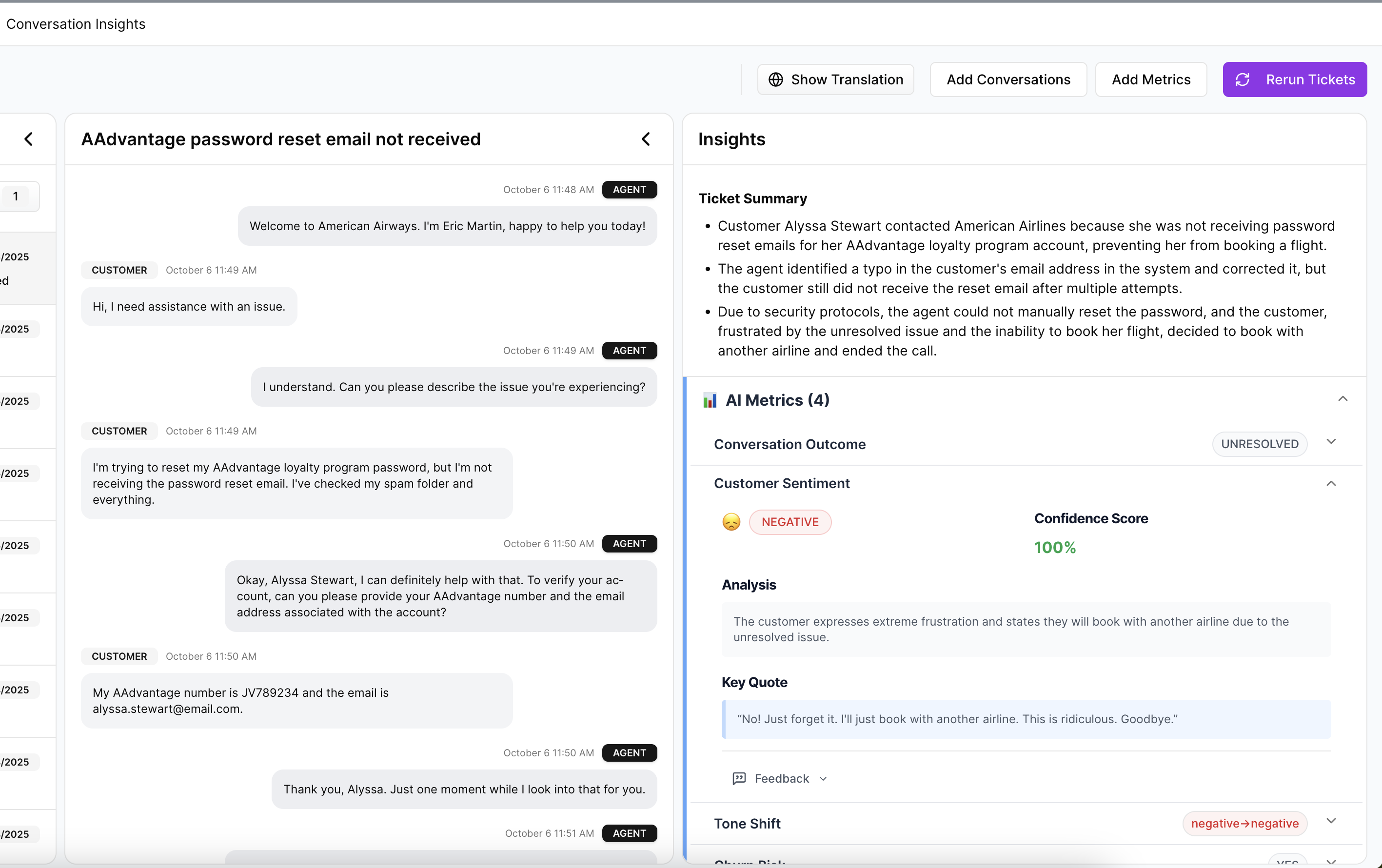
That matters operationally. When a high‑risk alert fires, you can show why. You’re not waving at a score; you’re pointing to the words the customer used. This reduces debate and speeds decisions, two prerequisites for hitting your SLA windows. It also tightens coaching: reps learn from real examples, not hypotheticals.
Targeting queues with Data Explorer and Analyze Data
In Data Explorer, you filter churn‑risk conversations by driver, plan, region, and segment. You add columns for sentiment and effort, then sort by severity. With Analyze Data, you group by Driver or Canonical Tag to see which clusters generate the most high‑risk volume and negative sentiment. It’s pivot‑table simple by design.
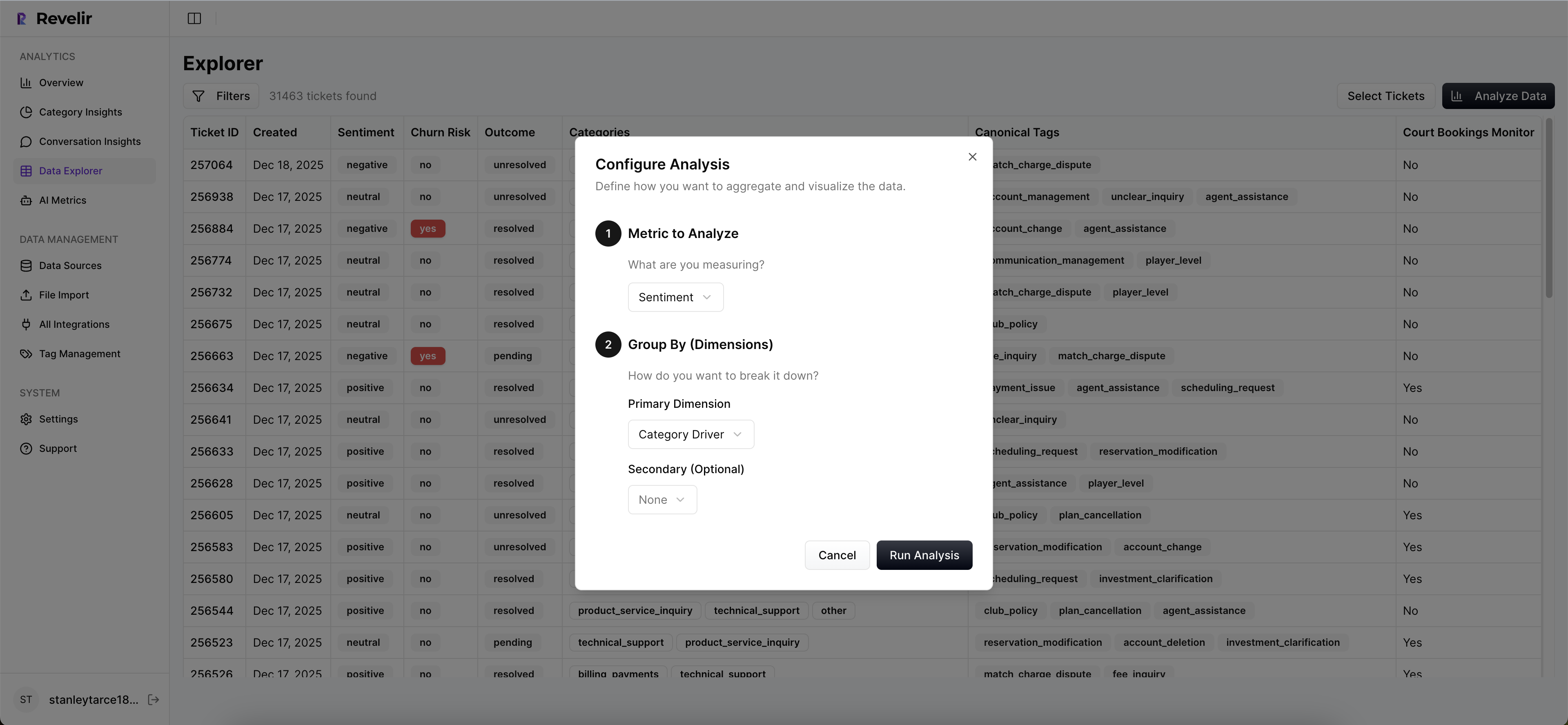
From there, you build targeted outreach queues. High‑risk “Account Access” for Enterprise in North America routes one way; “Billing & Payments” for SMB routes another. Because Revelir AI preserves the link from metric to ticket, owners open tasks with context and act faster. Mean time‑to‑intervention improves because busy work disappears.
API export and traceability for routing and audit
Revelir AI supports API export so your metrics and tags flow into the systems where work gets done. Tasks can be created with the ticket ID, driver, and a short summary attached. That keeps the chain intact from alert to outreach to outcome, which is exactly what you need for weekly reviews and budget conversations.
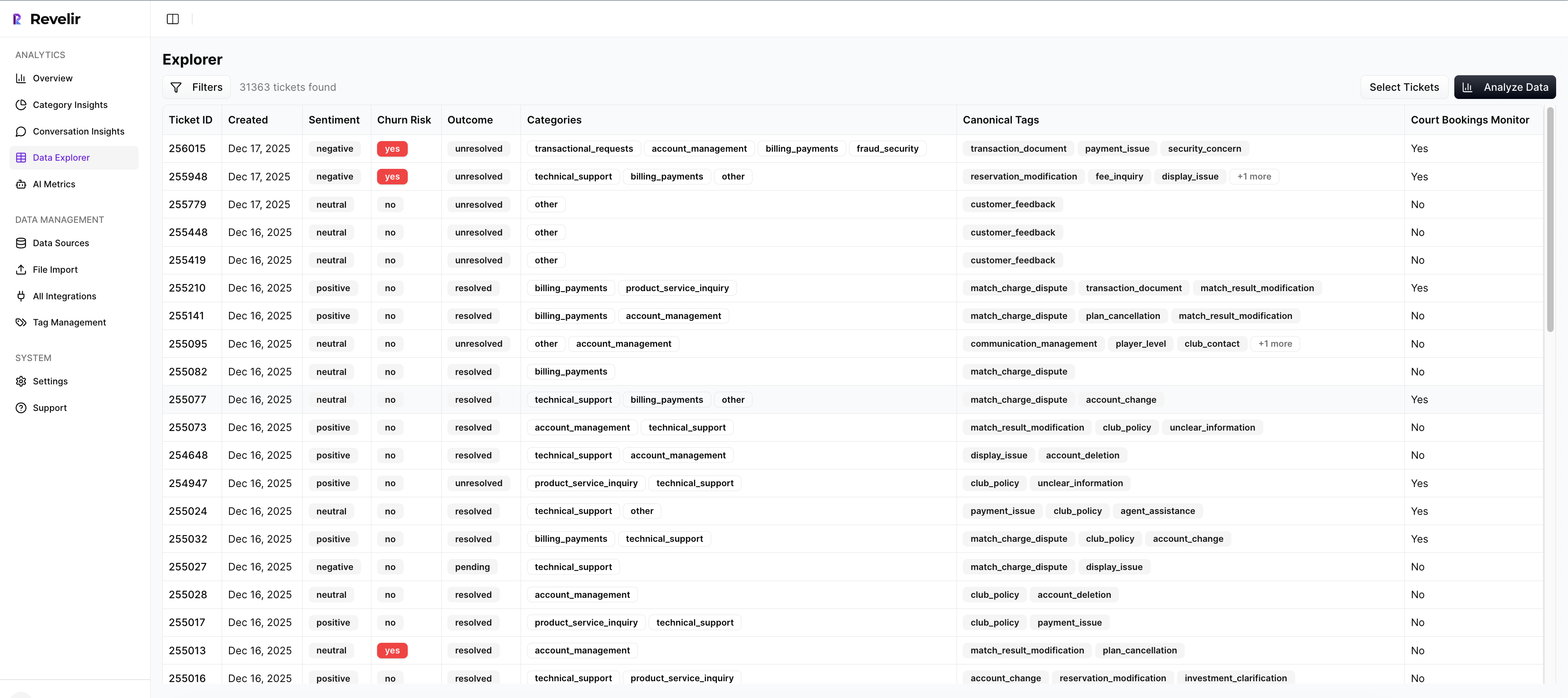
When something looks off, a sudden dip in recovery for a driver, you jump into Conversation Insights to read transcripts, compare to summaries, and refine scripts. You’re never guessing. You’re inspecting evidence. That loop is how you cut breach rates, reduce rework, and raise renewal lift without adding another meeting.
Want to operationalize this playbook with your own data? Get Started With Revelir AI and see evidence-backed queues within days.
Conclusion
Retention isn’t a mystery; it’s an operational discipline. Signals matter less than the motion they trigger: clear tiers, strict timers, named owners, and evidence that travels with the task. When you process 100% of conversations, make the source quotes visible, and instrument the loop from ticket to outcome, you stop performing churn theater and start saving accounts. Build the 72-hour motion. Then let the model feed it.
Frequently Asked Questions
How do I track churn risk using Revelir AI?
To track churn risk with Revelir AI, start by filtering your dataset for tickets marked with 'Churn Risk = Yes.' Next, use the 'Analyze Data' feature to group by drivers or canonical tags. This will help you identify which issues are most frequently associated with churn risk. You can also drill down into specific tickets to validate insights and see the underlying conversations that led to these classifications. This structured approach allows you to prioritize follow-ups and monitor the health of customer segments effectively.
What if I need to analyze customer sentiment trends?
If you want to analyze customer sentiment trends, open the Data Explorer in Revelir AI. First, apply a filter for 'Sentiment = Negative' to focus on areas needing attention. Then, use the 'Analyze Data' feature to group results by category drivers. This will give you a clear view of which issues are generating negative sentiment. You can drill down into specific segments to read the actual conversations behind the metrics, ensuring you understand the context and can take appropriate action.
Can I customize metrics in Revelir AI?
Yes, you can customize metrics in Revelir AI to match your business needs. You can define custom AI metrics that reflect specific aspects of your customer interactions, such as 'Reason for Churn' or 'Upsell Opportunity.' To set this up, navigate to the metrics configuration section and specify the parameters for your custom metrics. This flexibility allows you to tailor the insights you receive, ensuring they align closely with your operational goals and customer experience strategies.
When should I use the Analyze Data feature?
You should use the Analyze Data feature in Revelir AI whenever you need to derive insights from your support ticket data. This tool is particularly useful for answering questions like 'What’s driving negative sentiment?' or 'Which issues are causing high customer effort?' By grouping your data by relevant dimensions, you can uncover patterns and trends that inform your decision-making. It's a great way to validate assumptions and ensure that your strategies are backed by solid evidence from your customer conversations.
Why does Revelir AI focus on full coverage of conversations?
Revelir AI emphasizes full coverage of conversations to ensure that no critical signals are missed. By analyzing 100% of your support tickets, Revelir eliminates the biases and blind spots that come from sampling. This comprehensive approach allows you to capture all frustration cues, churn mentions, and unsolicited feedback, providing a complete picture of customer sentiment. It ensures that your insights are reliable and actionable, helping you make informed decisions that can effectively reduce churn and improve customer satisfaction.